Understanding the Basics: Photography for Dallas Homeowners
Photography can seem like a complex art, especially if you're a homeowner in Dallas wanting to capture beautiful moments without professional help. In this guide, we'll break down essential photography concepts into simple terms to help you get started.
The Exposure Triangle: Aperture, Shutter Speed, and ISO
The exposure triangle is a key concept in photography, consisting of three elements: aperture, shutter speed, and ISO. These determine how light or dark an image is and how it looks overall.
Aperture
Aperture refers to the size of the opening in your camera's lens. It's like the pupil of your eye, controlling how much light enters. A smaller aperture (higher f-number) means less light and more focus depth, ideal for landscape photography. A larger aperture (lower f-number) allows more light and creates a blurred background, perfect for portraits.
Shutter Speed
Shutter speed is how long your camera's shutter stays open to let in light. Faster speeds freeze action (great for sports), while slower speeds blur motion, useful for creative effects like light trails.
ISO
ISO measures your camera sensor's sensitivity to light. A lower ISO is best for bright conditions, while a higher ISO helps in low light but can add noise to your photos.
Composing the Perfect Shot
Composition is the arrangement of elements within your photo. Mastering a few basic rules can significantly enhance your photography.
Rule of Thirds
Imagine your image divided into nine equal parts with two horizontal and two vertical lines. Place important elements along these lines or their intersections to create balanced and engaging photos.
Leading Lines
Use natural lines, like roads or fences, to draw the viewer’s eye toward the subject. This technique adds depth and interest to your images.
Lighting: Natural vs. Artificial
Lighting can make or break your photographs. Understanding how to use different lighting can improve your shots.
Natural Light
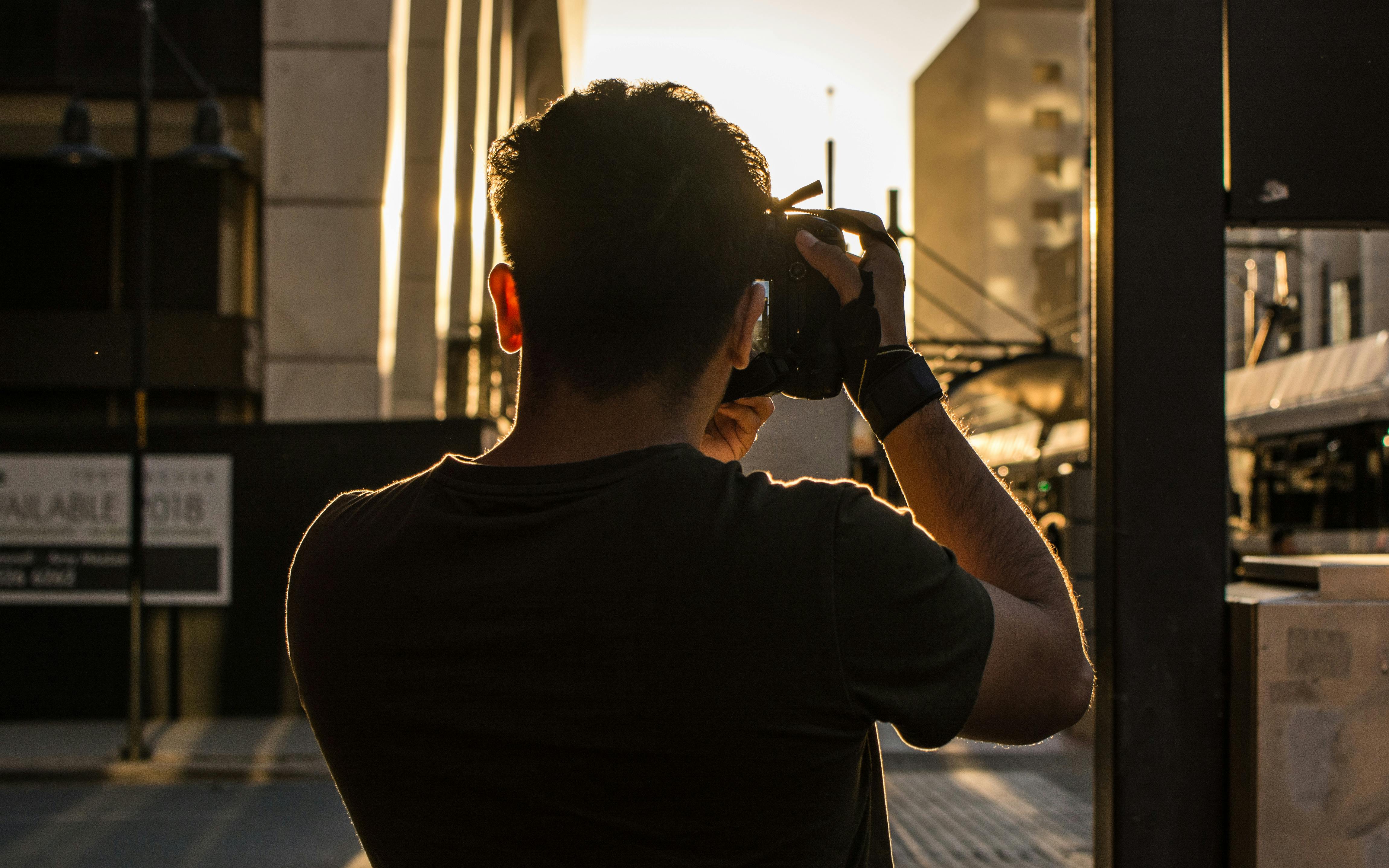
Natural light is abundant and free. Golden hour, the time just after sunrise or before sunset, offers soft and warm lighting, ideal for stunning photographs.
Artificial Light
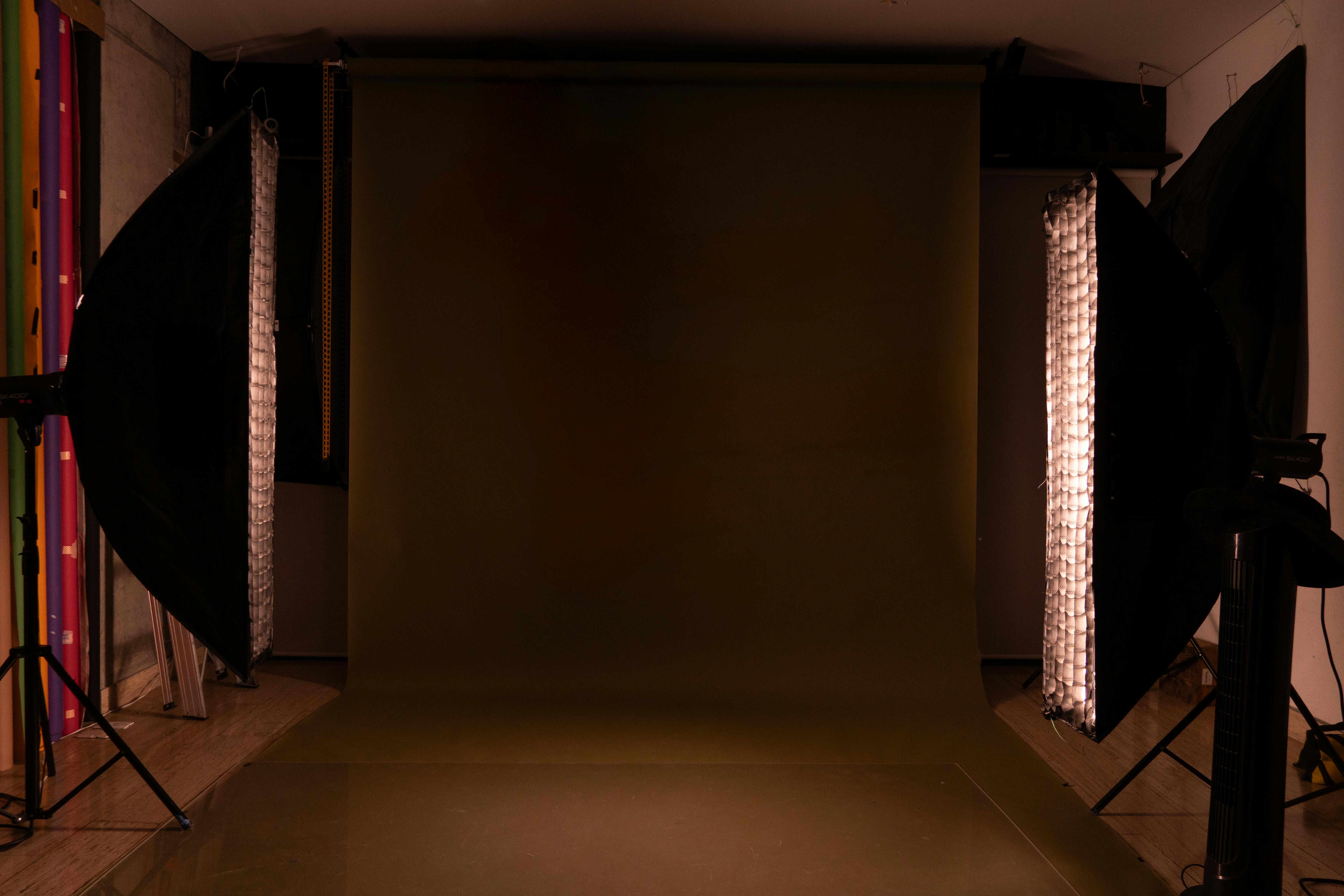
Use artificial lighting, like lamps or flash, to control the mood and highlight specific areas. Experiment with angles and diffusers for softer effects.
Choosing the Right Equipment
While professional gear is nice, you can capture amazing photos with basic equipment.
Smartphones
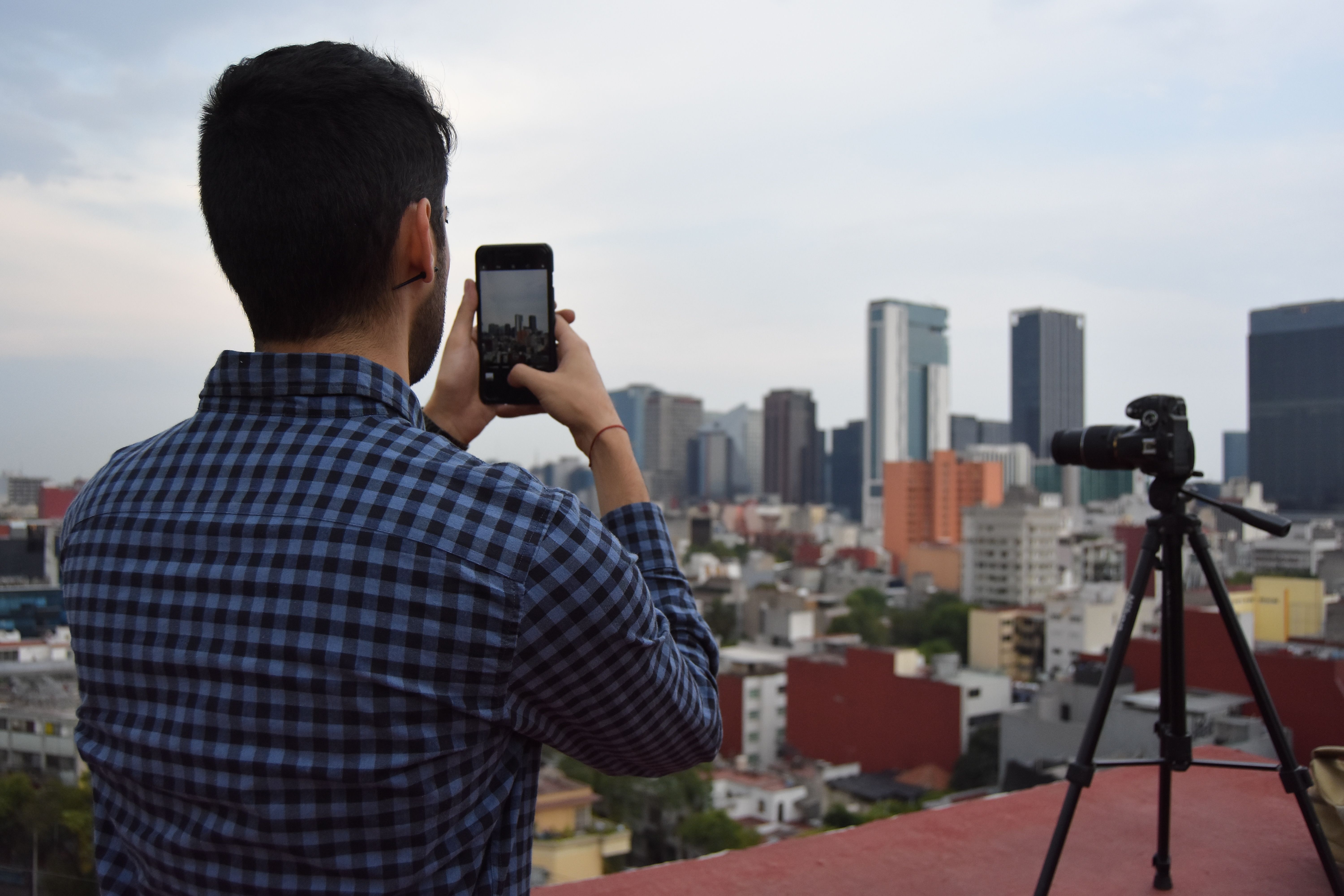
Modern smartphones have advanced cameras that can take high-quality photos. Use built-in editing apps to enhance your images further.
DSLR/Mirrorless Cameras
For more control and quality, consider a DSLR or mirrorless camera. They offer interchangeable lenses and manual settings for creativity.
Post-Processing: Enhancing Your Photos
Editing is an essential part of photography, allowing you to enhance your images and correct mistakes.
Basic Editing Techniques
- Crop: Remove unwanted areas to focus on the subject.
- Adjust Brightness/Contrast: Improve the overall look by making adjustments.
- Color Correction: Enhance or correct colors for a natural look.
Software like Adobe Lightroom or free apps like Snapseed offer powerful editing tools for beginners.
Conclusion: Start Capturing the Beauty of Dallas
Photography doesn't have to be intimidating. By understanding these basic concepts, you can start capturing stunning images of your Dallas home and surroundings. Practice regularly, experiment with different settings, and most importantly, have fun!