Introduction
In 2026, the demand for high-quality photography services among Dallas businesses has reached unprecedented levels. Whether it's for marketing campaigns, product showcases, or corporate events, businesses need images that captivate and convert. However, achieving the perfect shot isn't always straightforward. In this guide, we address some of the most common photography issues faced by businesses in Dallas and provide actionable solutions to overcome them.
Problem 1: Inconsistent Lighting
Lighting can make or break a photograph. Inconsistent lighting results in shadows, color imbalances, and overall poor image quality, which can negatively impact your brand's image.
Solution: Mastering Natural and Artificial Light
To tackle lighting inconsistencies, businesses should invest in a combination of natural and artificial lighting solutions. Here are some strategies:
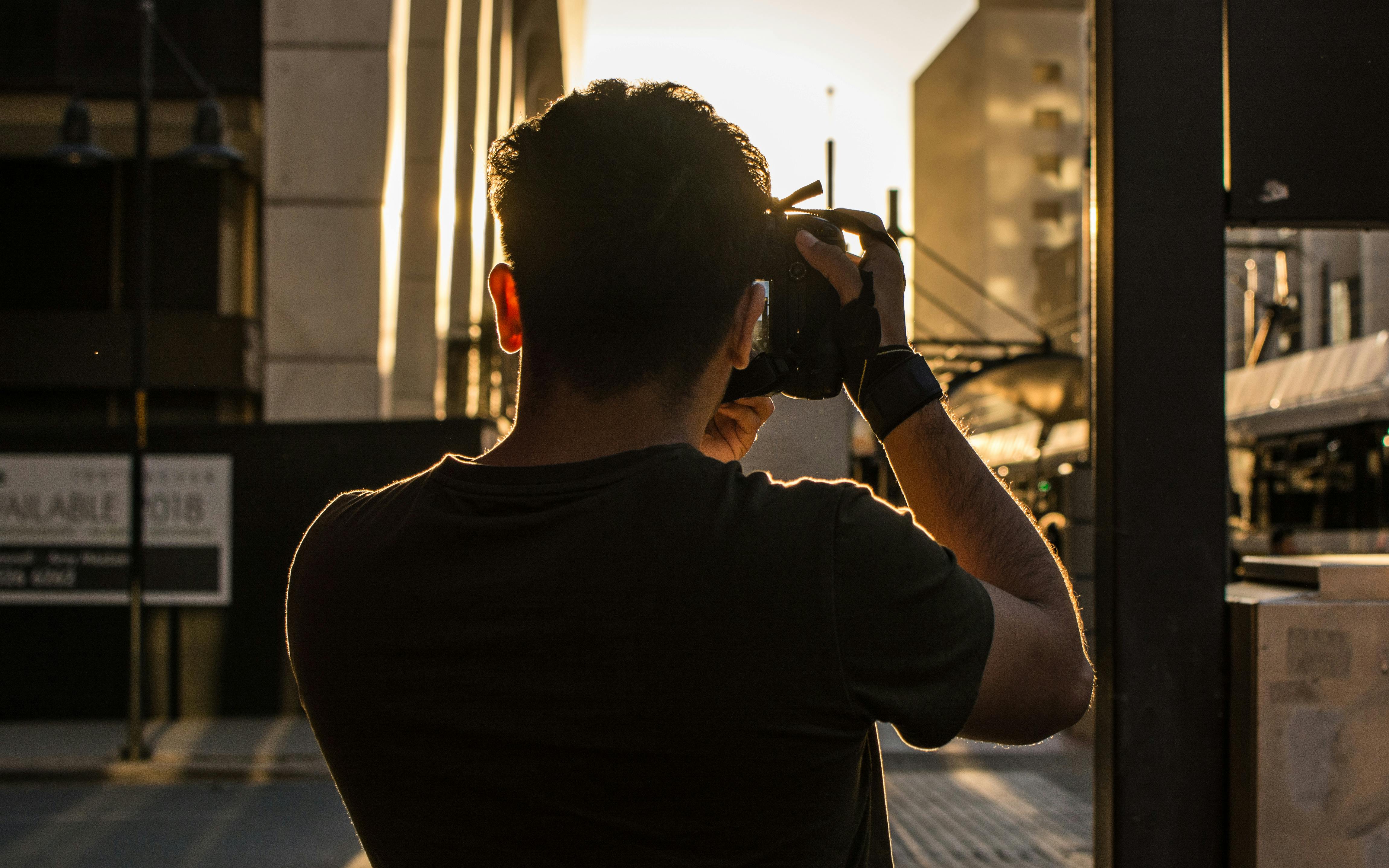
- Natural Light: Take advantage of Dallas's sunny climate by scheduling shoots during golden hours—early morning or late afternoon. This reduces harsh shadows and provides a soft, warm hue.
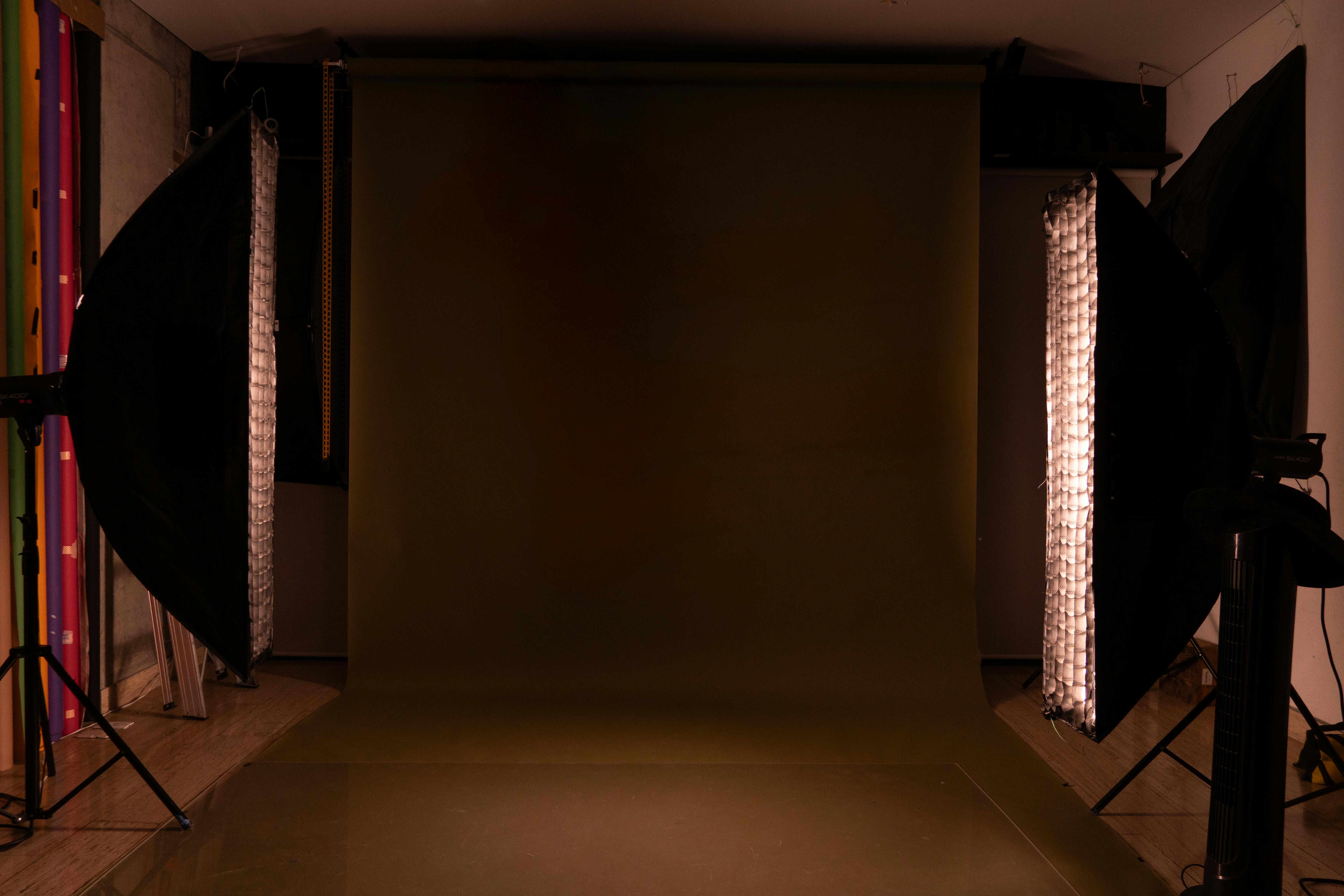
- Artificial Light: Use adjustable LED lights to control the intensity and direction of lighting indoors. Softboxes and reflectors can help diffuse light evenly across the subject.
- Post-Processing: Utilize photo editing software to correct lighting imbalances. Tools like Adobe Lightroom offer features to adjust exposure, contrast, and brightness.
Problem 2: Blurred Images
Blurred images are a common frustration, often caused by camera shake or improper focus, diminishing the professionalism of your photos.
Solution: Stabilization and Focus Techniques
To ensure sharp, clear images, consider the following techniques:
- Use a Tripod: A sturdy tripod can eliminate camera shake, especially for long exposures or low-light conditions.
- Enable Image Stabilization: Many modern cameras and lenses come with built-in stabilization features. Be sure to activate them when shooting handheld.
- Focus Peaking: Utilize focus peaking on digital cameras to ensure precise focus, particularly important for product photography.
Problem 3: Unflattering Composition
Poor composition can distract from the subject and harm the aesthetic appeal of a photograph, undermining its effectiveness in business contexts.
Solution: Composition Rules and Guidelines
Improving composition involves understanding and applying certain rules:
- Rule of Thirds: Divide your image into a 3x3 grid and position the subject along these lines or intersections for balanced composition.
- Leading Lines: Use natural or architectural lines within the scene to guide the viewer’s eye towards the subject.
- Framing: Incorporate elements in the foreground to frame the main subject, adding depth and context.
Problem 4: Poor Color Accuracy
Color accuracy is crucial for businesses, especially those in fashion, design, or retail, where true-to-life representation is key.
Solution: Color Calibration and Management
Achieving accurate colors requires careful calibration and management:
- Calibrate Your Monitor: Regularly calibrate your monitor using calibration tools to ensure the colors you see during editing match the final output.
- Use Color Correct Tools: Employ white balance settings and color correction tools in post-processing to maintain color fidelity.
- Work with Color Profiles: Utilize ICC profiles that match your camera, monitor, and printer settings for consistent color reproduction.
Problem 5: Limited Dynamic Range
Capturing images with a high dynamic range is essential for maintaining detail in both shadows and highlights, but can be challenging, especially in high-contrast scenarios.
Solution: HDR Techniques and Tools
Expand your dynamic range with these techniques:
- HDR Bracketing: Capture multiple exposures of the same scene and combine them using HDR software to retain detail across all ranges.
- Use Graduated ND Filters: These filters help balance the exposure between the sky and the ground in landscape shots.
- Post-Processing: Utilize dynamic range adjustment tools in editing software to enhance details in both highlights and shadows.
Conclusion
Photography is an art that requires both technical skill and creative vision. By addressing these common issues with the strategies outlined above, Dallas businesses can elevate their photography, resulting in images that not only meet but exceed their marketing and promotional needs. If your business requires professional assistance, consider partnering with MPOC2, Dallas's premier photography service provider, to ensure your images truly represent your brand's excellence.